
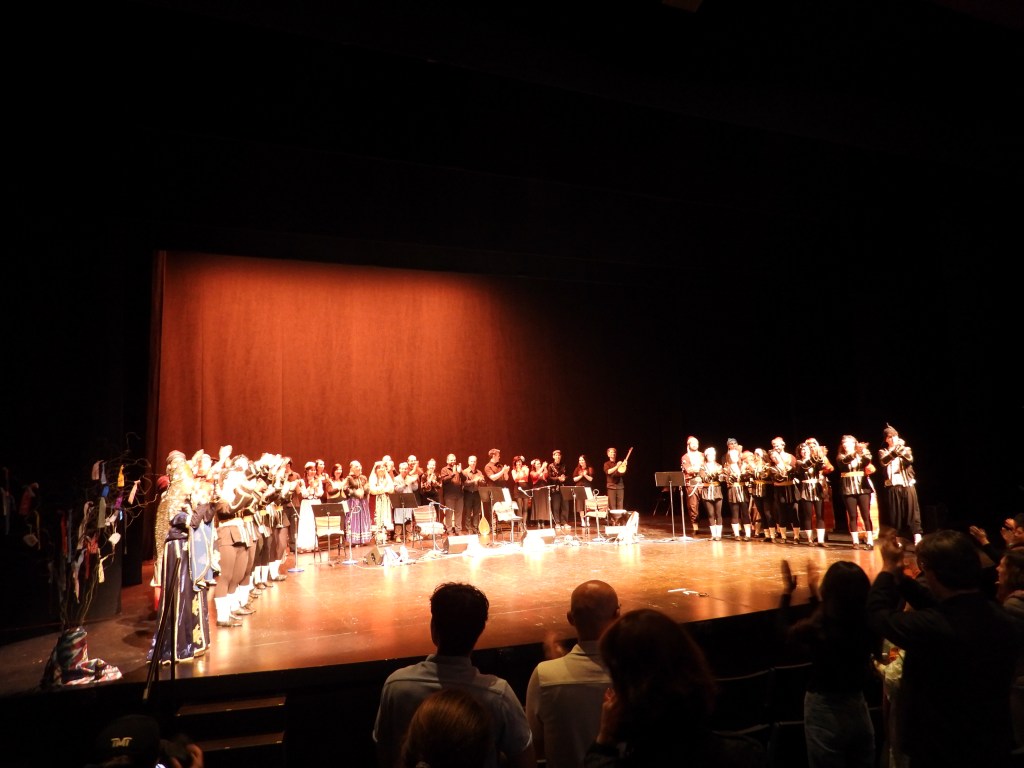
SEATTLE, Wash., May 23, 2026—Audiences at the Northwest Folklife Festival were taken on a journey across centuries and continents on Saturday as Umay’s Children, a musical and theatrical showcase celebrating the cultural heritage of Turkic peoples, took the stage in Seattle.
Presented as part of the annual festival, Umay’s Children traced what organizers described as the “thousand-year odyssey of the Turkic spirit.” Guided by the voice of Umay, the ancient Mother Goddess revered in Turkic mythology, the performance traveled across a vast cultural landscape, from the frozen forests of northern Siberia to the sunlit shores of Anatolia.
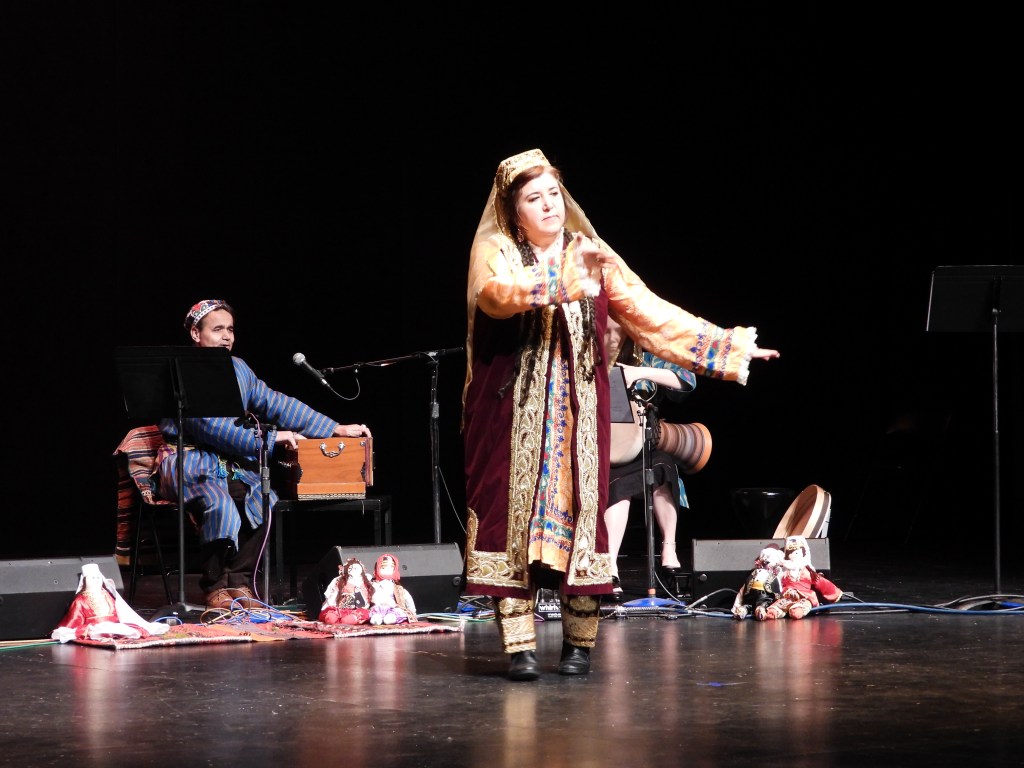
Combining traditional music, dance, and storytelling, the production highlighted the rich diversity of Turkic cultures while emphasizing their shared historical and cultural connections. Organizers described the showcase as more than a concert, calling it “a living tribute to resilience, a memory of shared roots, and a celebration of the unbroken family of sound that unites us all across borders and time.”
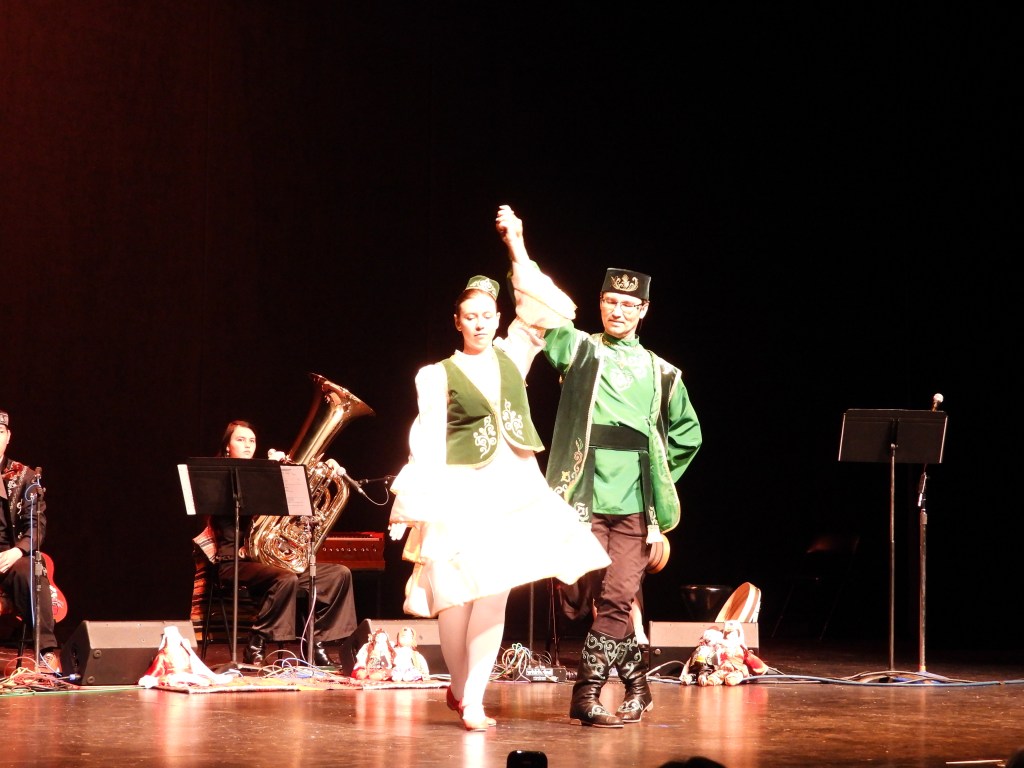
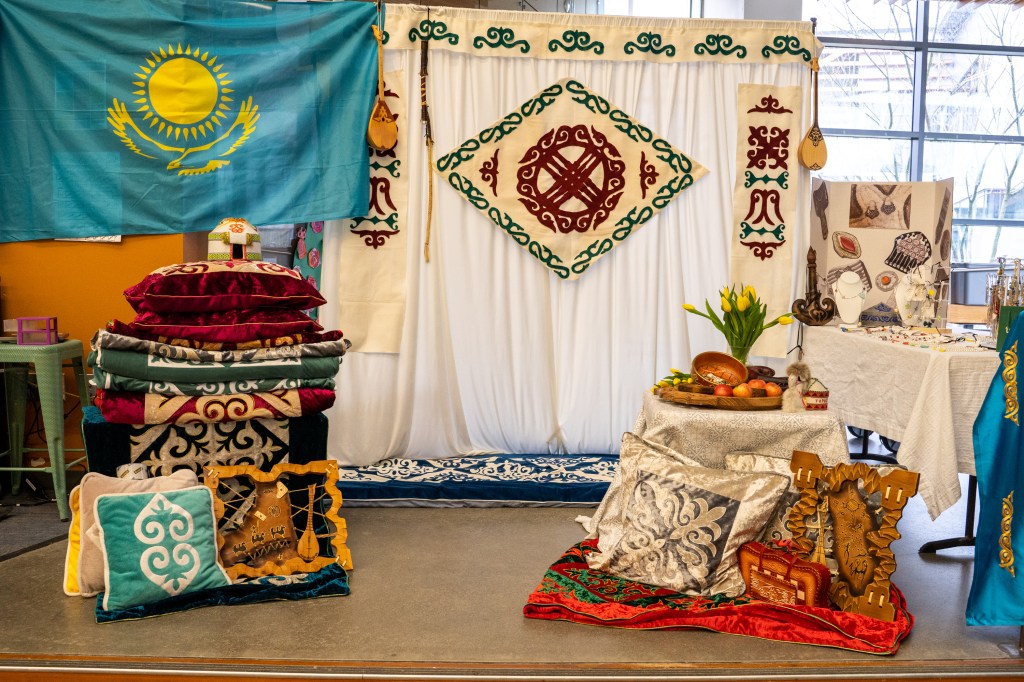
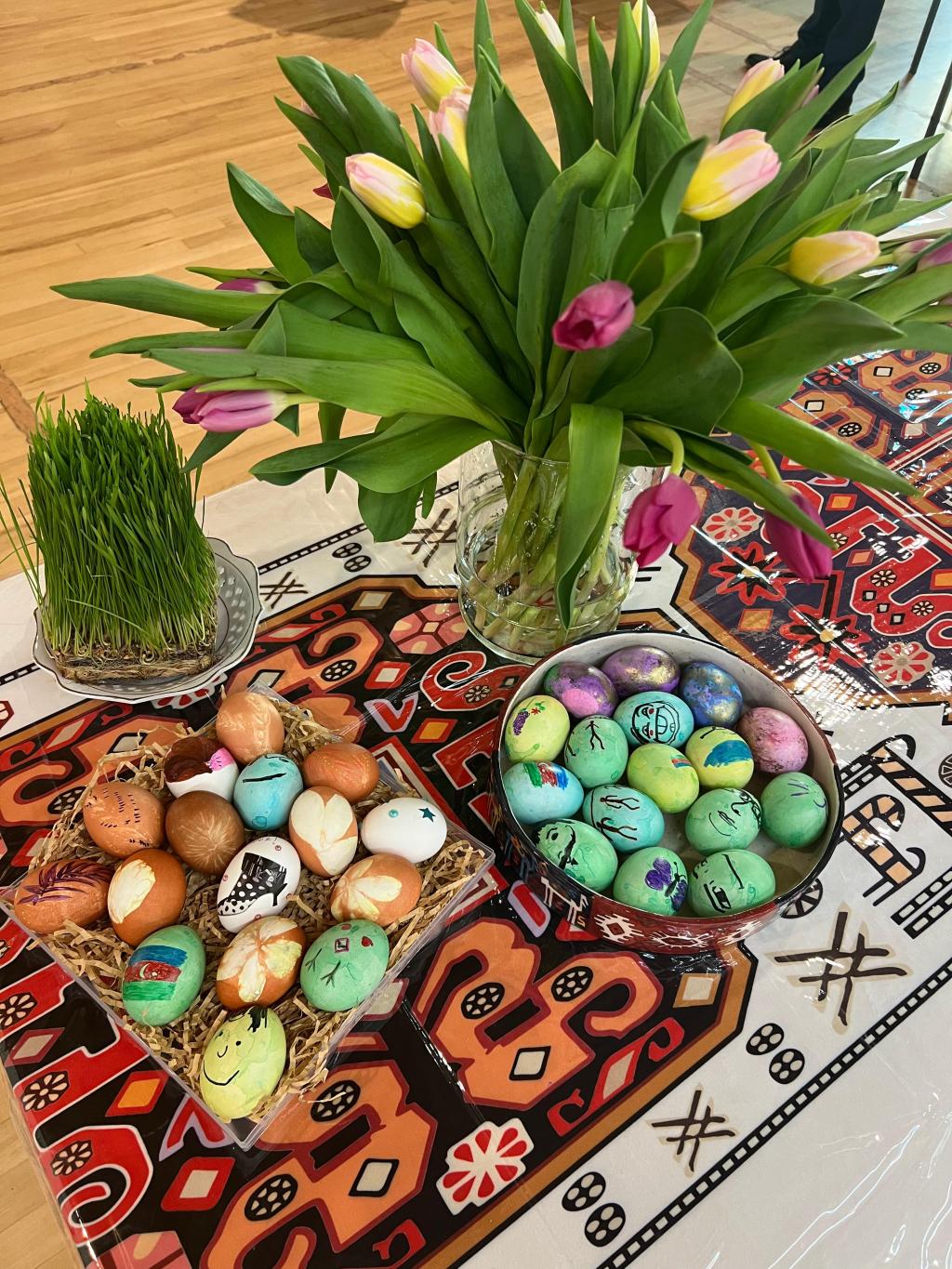
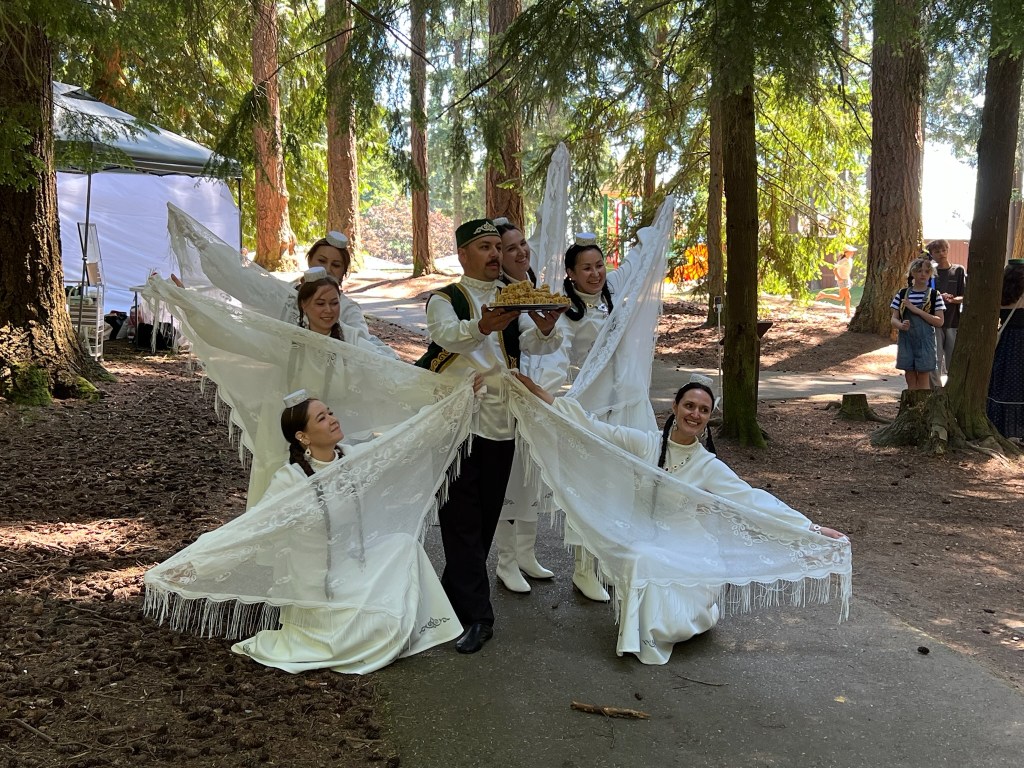
The repertoire featured music and dances representing a wide range of Turkic communities, including Sakha, Tatar, Kazakh, Uyghur, Turkmen, Uzbek, Azerbaijani, Turkish, and Crimean traditions. Performers showcased ancestral instruments, folk melodies, and traditional dances that reflected the distinct identities and histories of each culture.
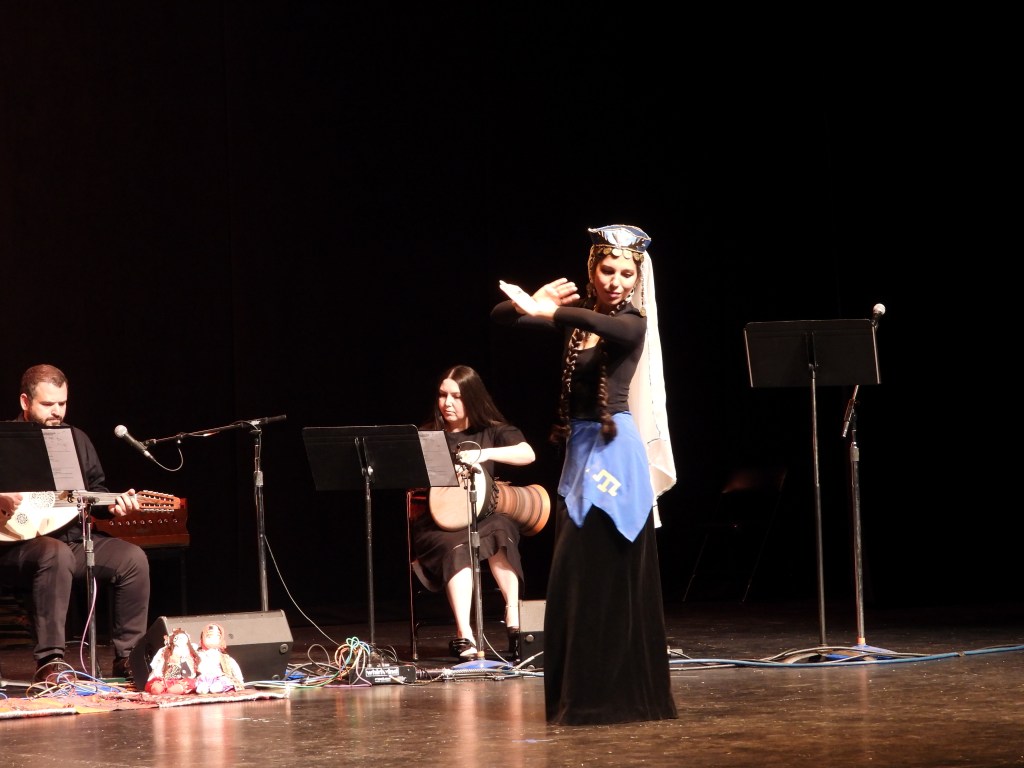
The event was supported by several community organizations, including Tatars of Washington State, the Association of Washington State Azerbaijanis, the North American Kazakh Association, and the Turkish American Cultural Association of Washington. Their sponsorship underscored the collaborative effort behind the production and the growing presence of Turkic cultural organizations in the Pacific Northwest.
As one of the many cultural offerings featured during Northwest Folklife, Umay’s Children provided festivalgoers with an opportunity to experience the artistic traditions of Turkic peoples while fostering greater understanding of a heritage that spans much of Eurasia.
 Turkic ChroniclE