
WEST LAFAYETTE, Ind. — On September 30, 2024, Purdue University held a poignant screening of Haytarma, a Ukrainian film that chronicles the harrowing forced exile of the Crimean Tatars from their homeland in 1944. The film, directed by Akhtem Seitablaiev, brings to light a dark chapter in history that has long remained in the shadows, shedding much-needed awareness on a genocide that affected an entire community.
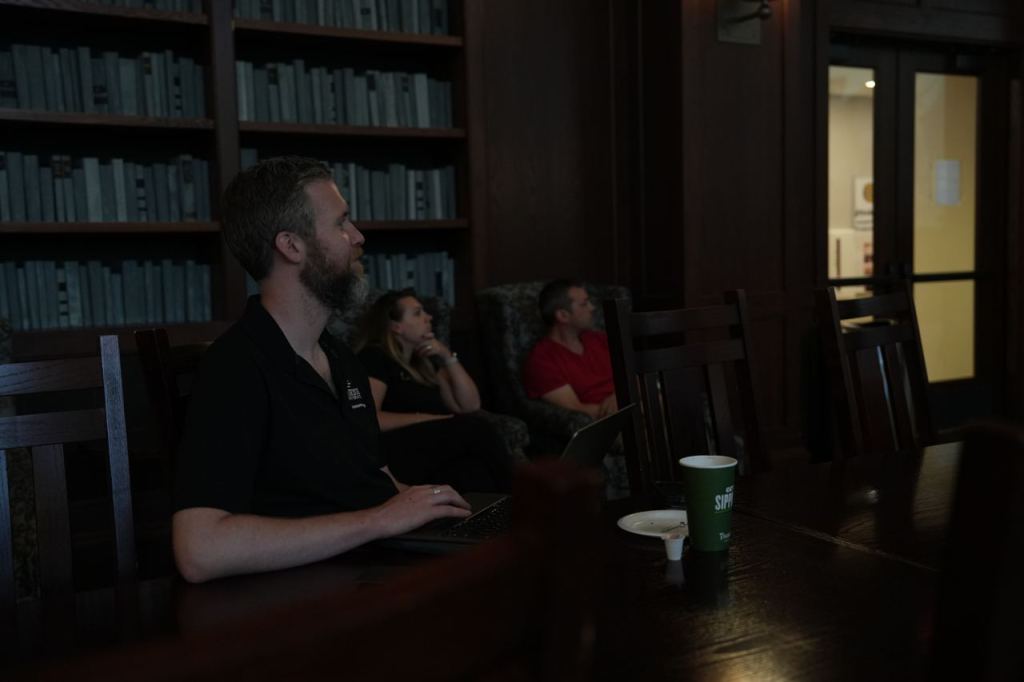
The screening, which was attended by a diverse group of students, faculty, and community members, marked the first introduction to the tragedy for many in the audience. The film documents the mass deportation and persecution of Crimean Tatars by the Soviet regime, which resulted in the deaths of nearly half the population. Approximately 46.2% of the Crimean Tatar people perished as a result of the 1944 expulsion, a devastating loss that has had a profound impact on the community.
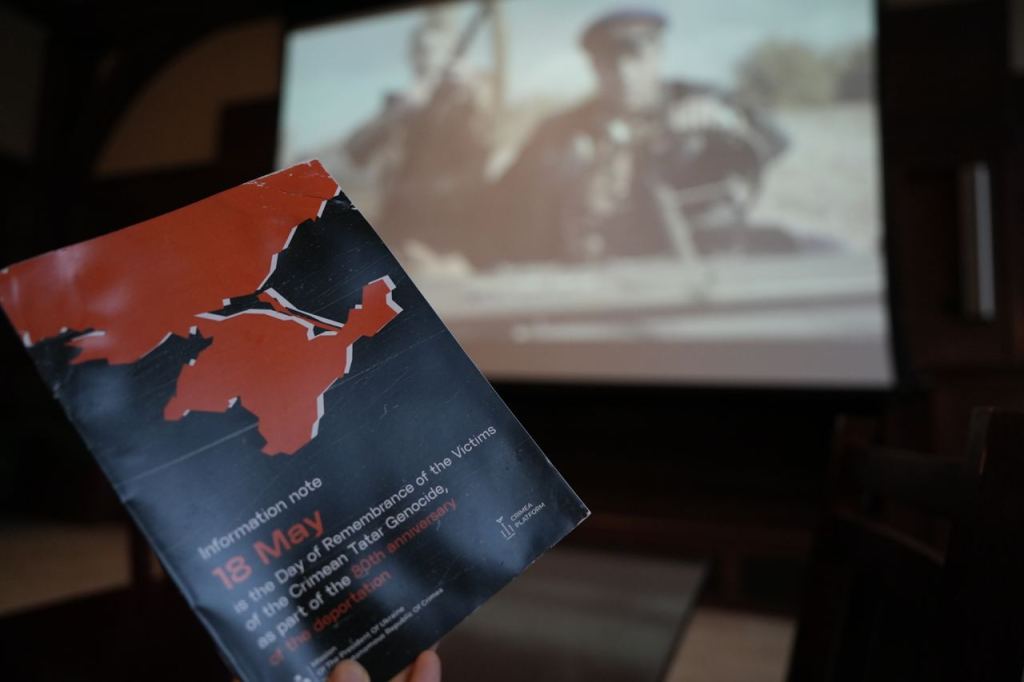
Dr. Stacey Connaughton, Director of the Purdue Policy Research Institute (PPRI), underscored the importance of acknowledging these historical atrocities. ““It’s crucial that we confront these historical atrocities. Understanding the past is key to preventing similar tragedies in the future.” Dr. Connaughton remarked. The screening took on an added significance in the context of the ongoing war in Ukraine and the broader geopolitical climate, which has brought attention to the ongoing struggles of displaced communities.
Following the film, a panel discussion with historians and Crimean Tatar activists from the Crimean Tatar Foundation helped provide deeper context about the genocide and its lasting impact. The panelists answered questions from the audience, many of whom expressed surprise at how little the Crimean Tatar tragedy is known in Western narratives. One attendee, Prudence Mbah, a doctoral candidate in Communication at Purdue’s Brian Lamb School of Communication, remarked, “I had no idea about this history. It’s eye-opening and makes you question what other stories we might be missing.”
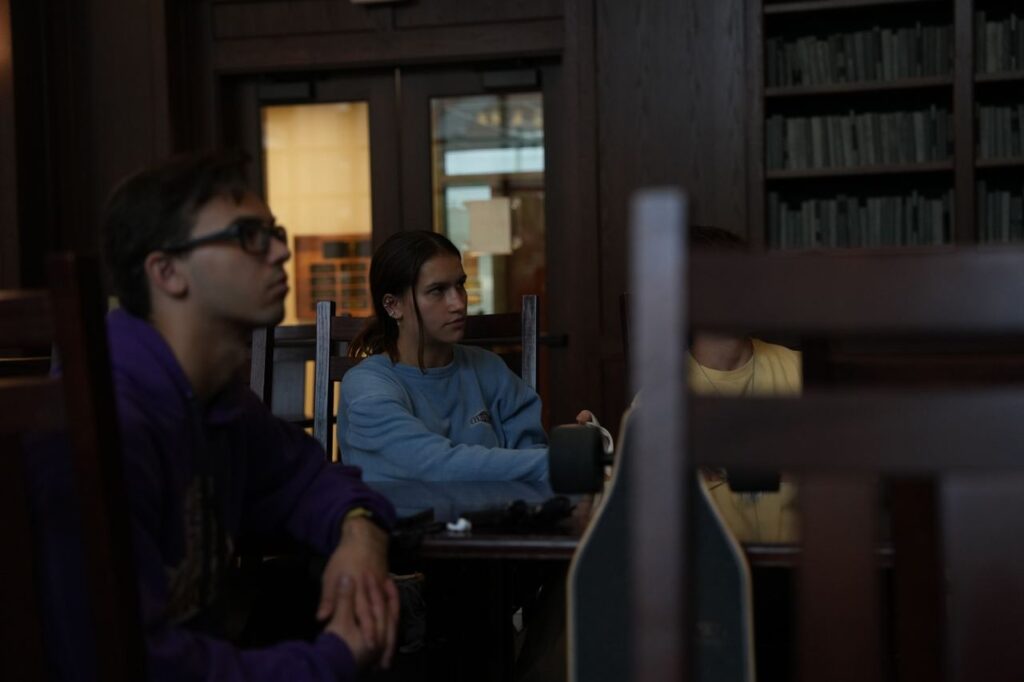
The event organizers, including Purdue faculty and the Crimean Tatar Foundation, see the screening as part of a larger initiative to raise awareness about the genocide and to ensure that the history of the Crimean Tatars is given the recognition it deserves. They hope that increased visibility of this tragic event will lead to greater international support for the Crimean Tatar community, who continue to face challenges in the present day, including the ongoing occupation of Crimea by Russia.
As global conflicts and human rights issues continue to make headlines, events like this one are a stark reminder of the power of cinema to educate and foster meaningful dialogue about difficult histories. By telling stories like that of the Crimean Tatar genocide, we ensure that the struggles of marginalized communities are not forgotten, and that we work toward a more informed and empathetic future.
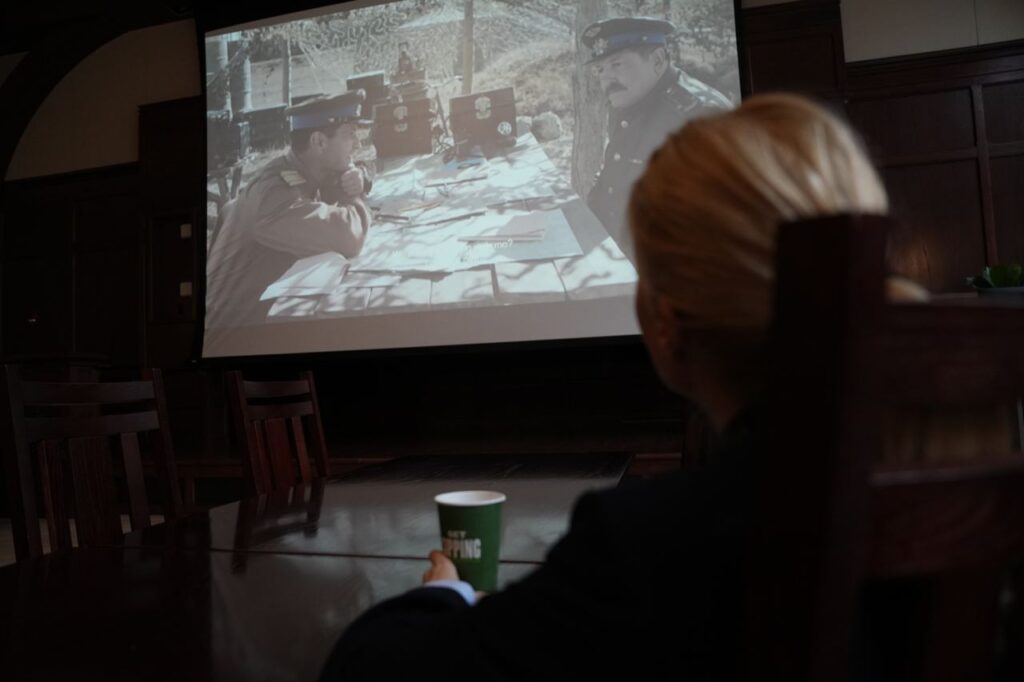
The screening of Haytarma is just one of many efforts to ensure the atrocities faced by the Crimean Tatars are remembered and understood worldwide. As the world continues to grapple with its history and the ongoing impacts of totalitarianism, films like Haytarma serve as a tool for reflection, education, and dialogue.




 Turkic ChroniclE
Leave a comment